How to Hold a Lacrosse Stick | Grip Fundamentals
Explore relaxed grip fundamentals with USA Lacrosse references. Use the illustrations as discussion aids with a coach, not universal hand-position rules.
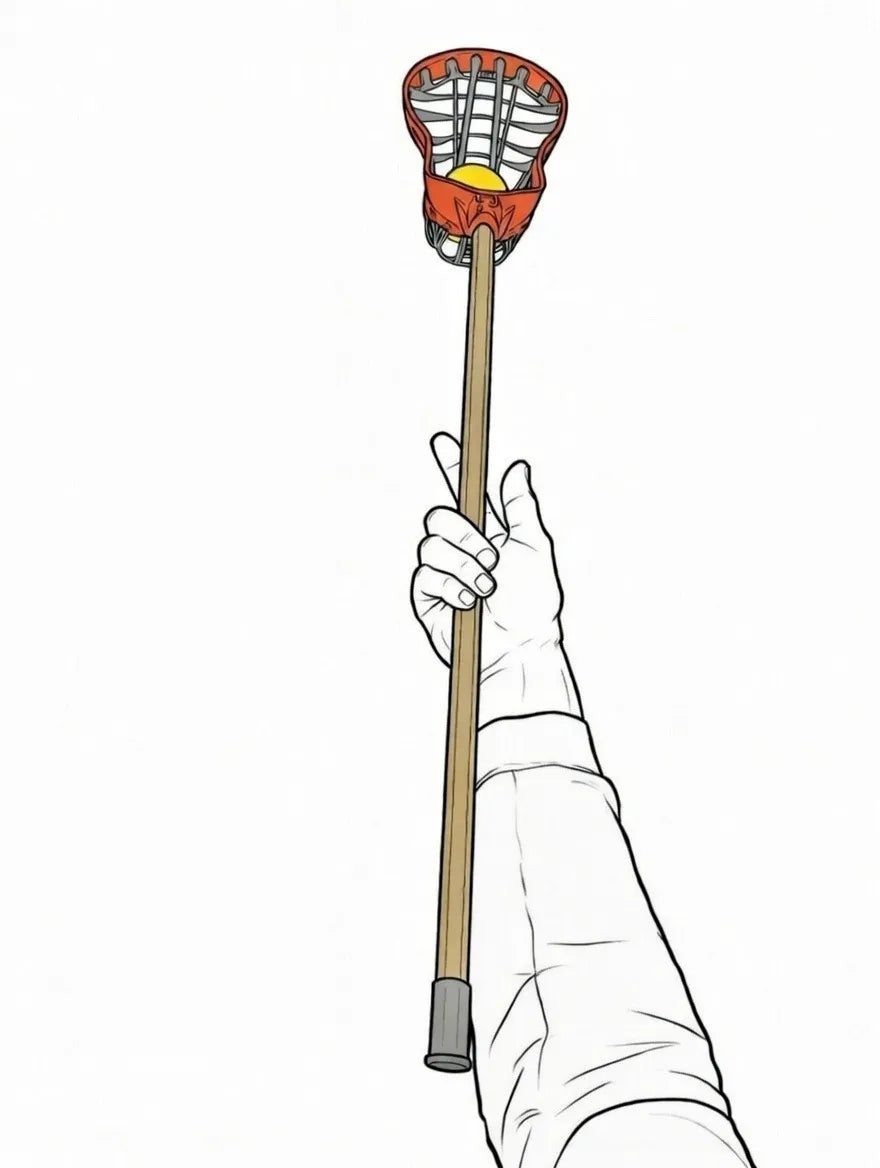
A comfortable grip is a starting point for throwing, catching, and cradling. The illustrations on this page show examples, not a required hand angle or a guarantee of improved performance.
Start with hand placement
In Lesson 1 of its grades 9–12 physical-education curriculum, USA Lacrosse introduces a grip with the strong hand around the middle of the shaft and the other hand at the end cap. Its cue is to let the stick breathe rather than squeeze it. Ask a qualified coach to adapt that starting point to your equipment and the skill you are learning.
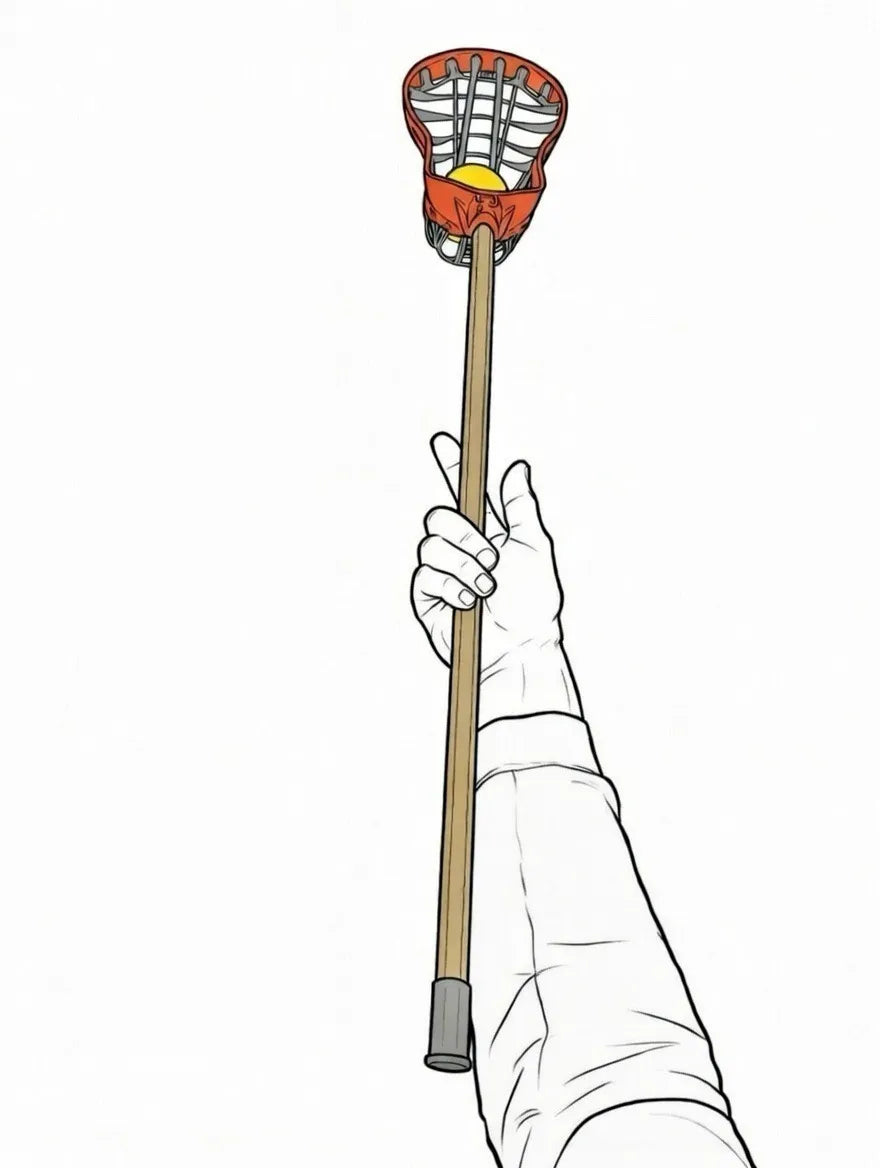
Stay relaxed
USA Lacrosse's cradling lesson emphasizes a relaxed grip, with the top hand controlling the stick and the bottom hand loose. These drawings can help you discuss your grip with a coach; they do not establish one ideal palm line or a locked wrist position.
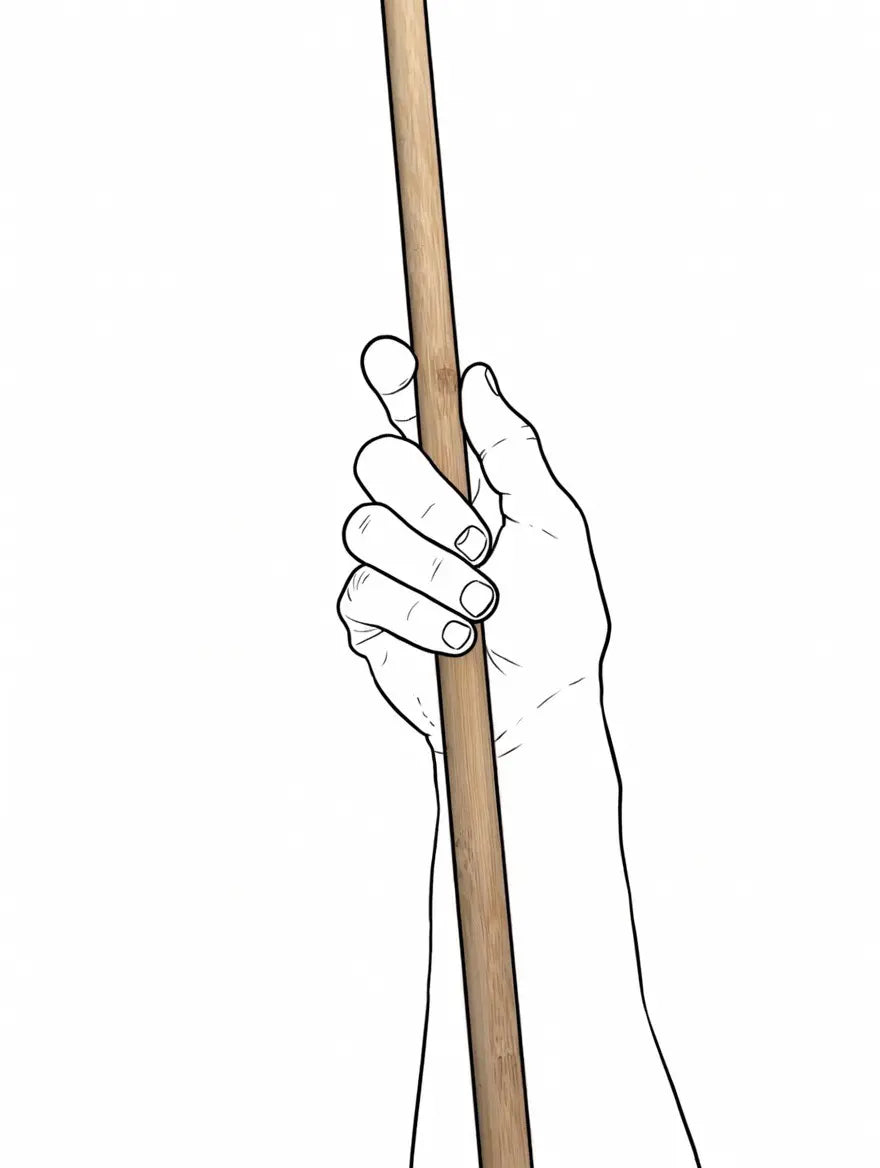
Hand placement changes with the activity and equipment. Do not force your hand or wrist into a position that causes pain or discomfort.
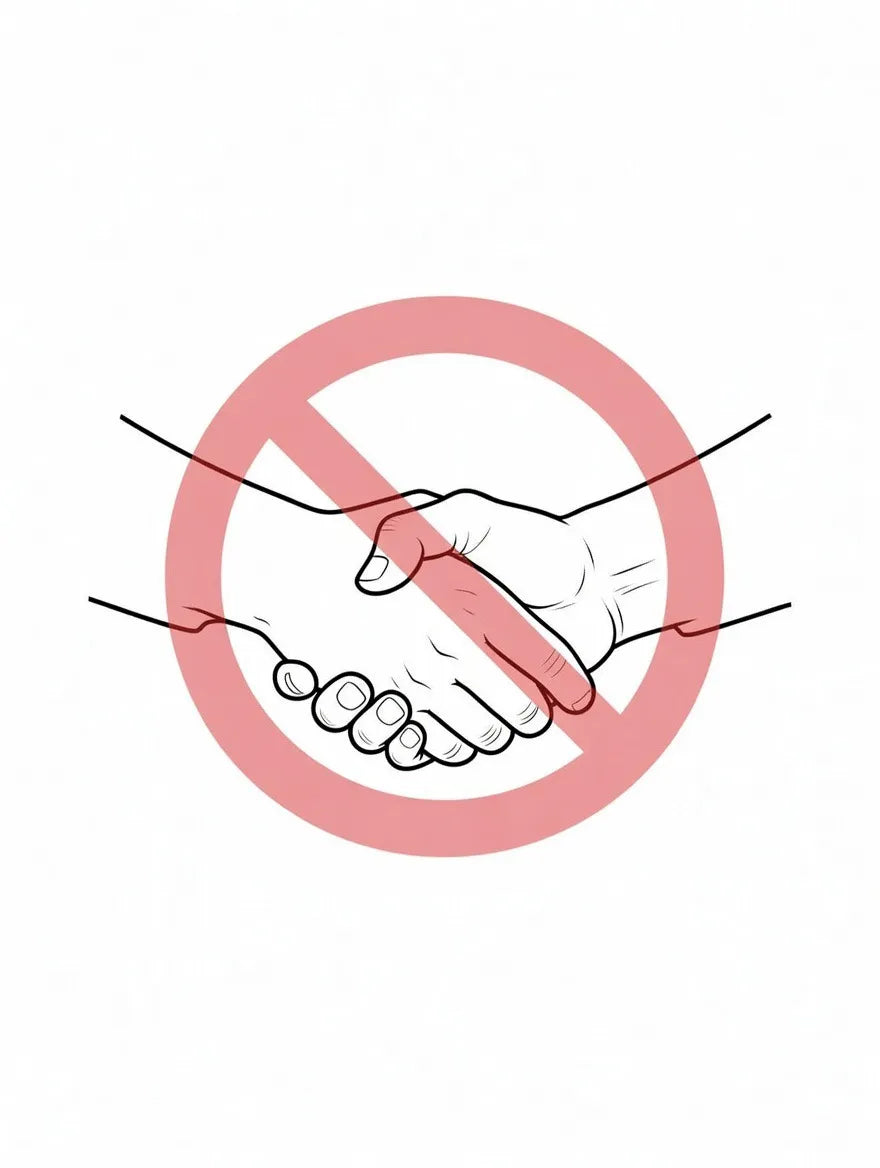
Practice deliberately
Use space appropriate to the activity and a controlled pace. USA Lacrosse's curriculum progresses from grip to cradling, throwing, catching, and ground balls. Follow the full lesson instructions with a coach rather than treating a single illustration as a complete throwing lesson.
Choose suitable equipment
The Skill Stick is intended for lightweight tennis, wiffle, and foam balls, not regulation-ball games. Ball fit varies by product and pocket setup. Lightweight balls can still cause injury or property damage; use an appropriate target, clear the surrounding area, and supervise young players.