How to Throw A Lacrosse Ball: The Grip
Location, ride the line, no handshakes — three fundamentals for a grip that generates power, control, and accuracy every time.
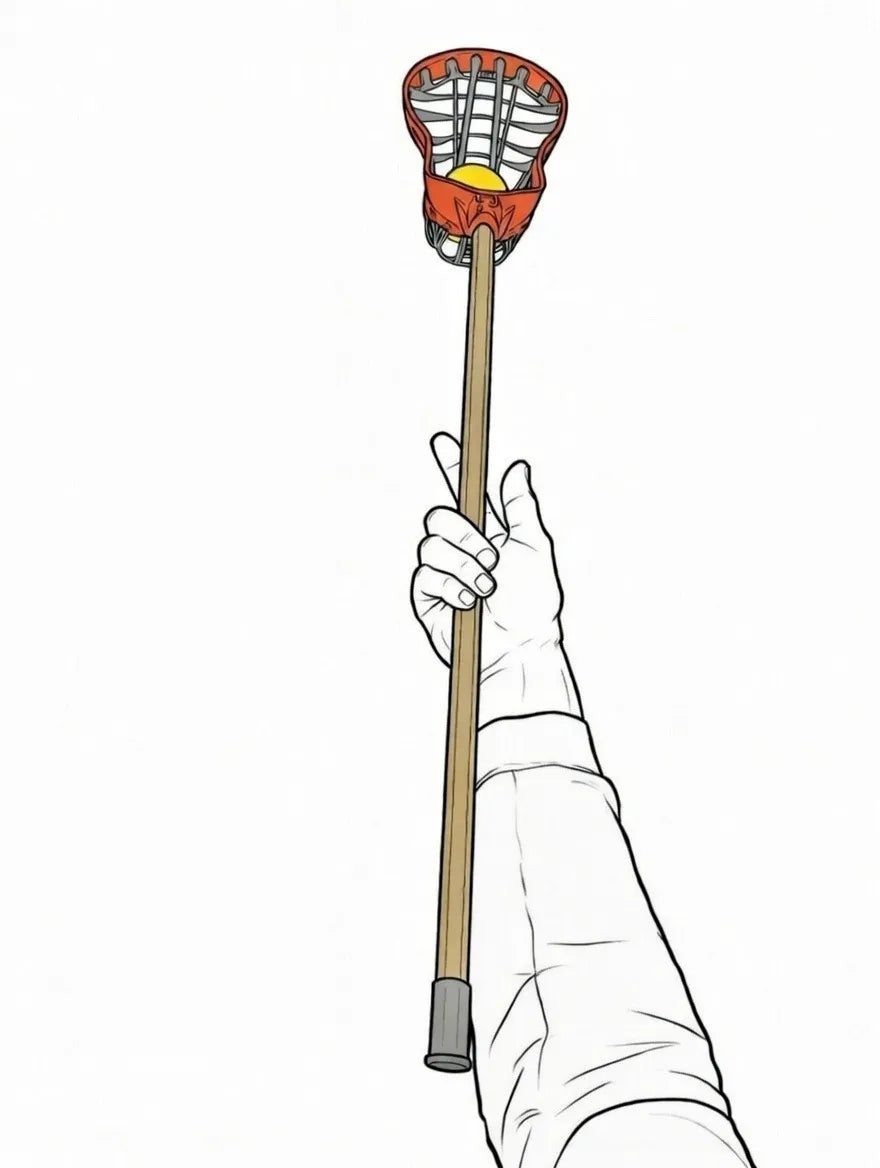
Everything in lacrosse starts with your grip. If your grip is off, your throws will be inconsistent. Your passes will lack accuracy. Your shots will lack power. But get the grip right, and everything else falls into place.
Here are the three fundamentals you need to master.
1. Location... Location... Location...
Where you place your hands on the stick determines everything about your throw — leverage, power, control, and accuracy. Here's how to find the right position:
Use your elbow as a reference point. Hold the stick vertically and place the butt end against your elbow. Your dominant hand should grip the stick about a forearm's length up from there. This gives you the baseline for where your hands belong.
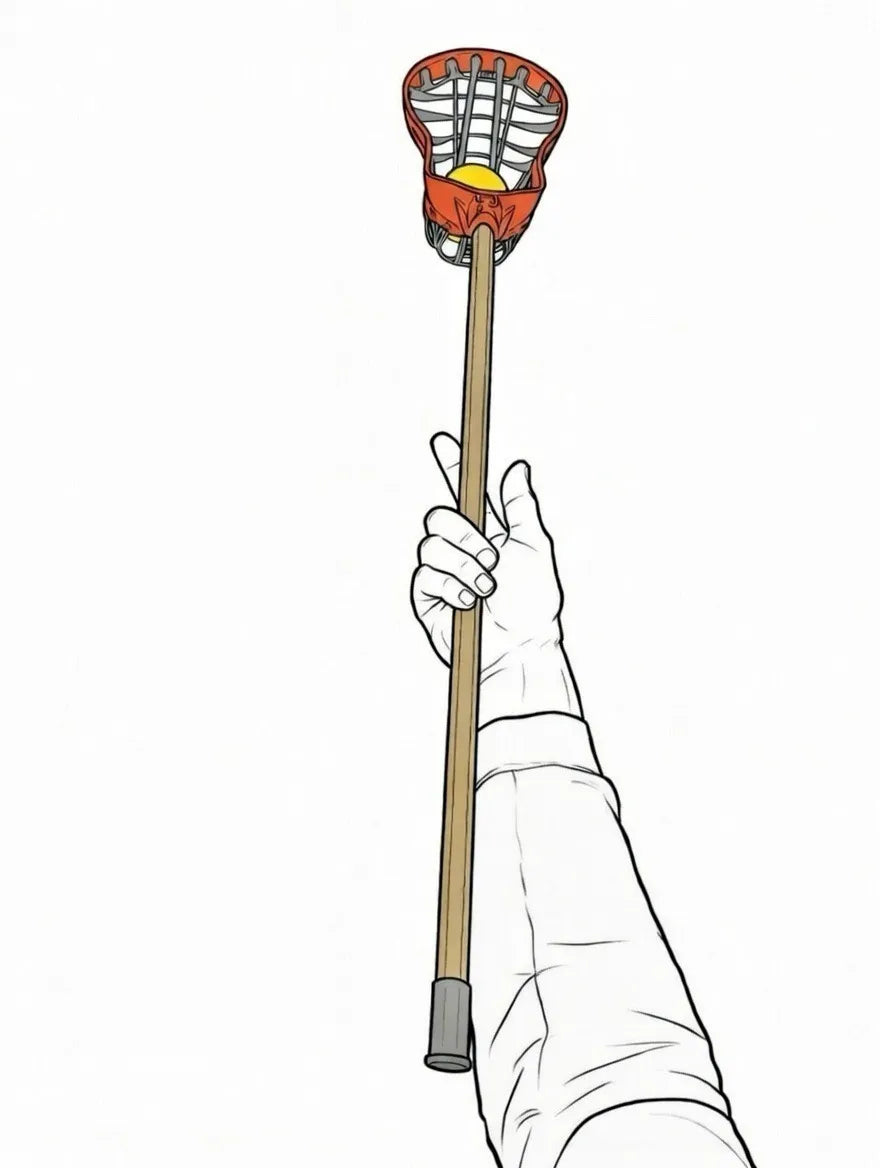
Lower top hand = more leverage and power. When your top hand is lower on the shaft, you create more leverage. This translates to harder shots and longer passes. The tradeoff: you sacrifice some finesse and control.
Higher top hand = more finesse and control. Moving your top hand higher up the shaft gives you better control and feel for the stick. This is great for quick passes, feeding, and situations where accuracy matters more than raw power.
Adjust for the situation. When you're passing, slide your top hand up by about a fist's distance for better control. When you're shooting, back your hand down for maximum power. The ability to adjust on the fly is what separates good throwers from great ones.
Pro tip: Use athletic tape to mark your sweet spots. Wrap a small piece of tape where your top hand belongs for passing, and another where it belongs for shooting. This gives you tactile feedback so you can find the right position without looking down.
2. Ride the Line
Once you've found the right location, you need to get your hand in the right position on the stick itself. This is where most people get it wrong.
Let the stick pass over the heel of your palm. Don't grip the stick in the middle of your palm. Instead, let it pass over the heel and settle into the valley that forms as your dominant hand grasps the shaft. This positions the stick for a clean release.
Your pointer finger becomes your trigger finger. Think of your pointer finger like the trigger on a gun. It should wrap around the stick naturally, ready to snap forward when you throw. This finger is your primary source of control and accuracy.
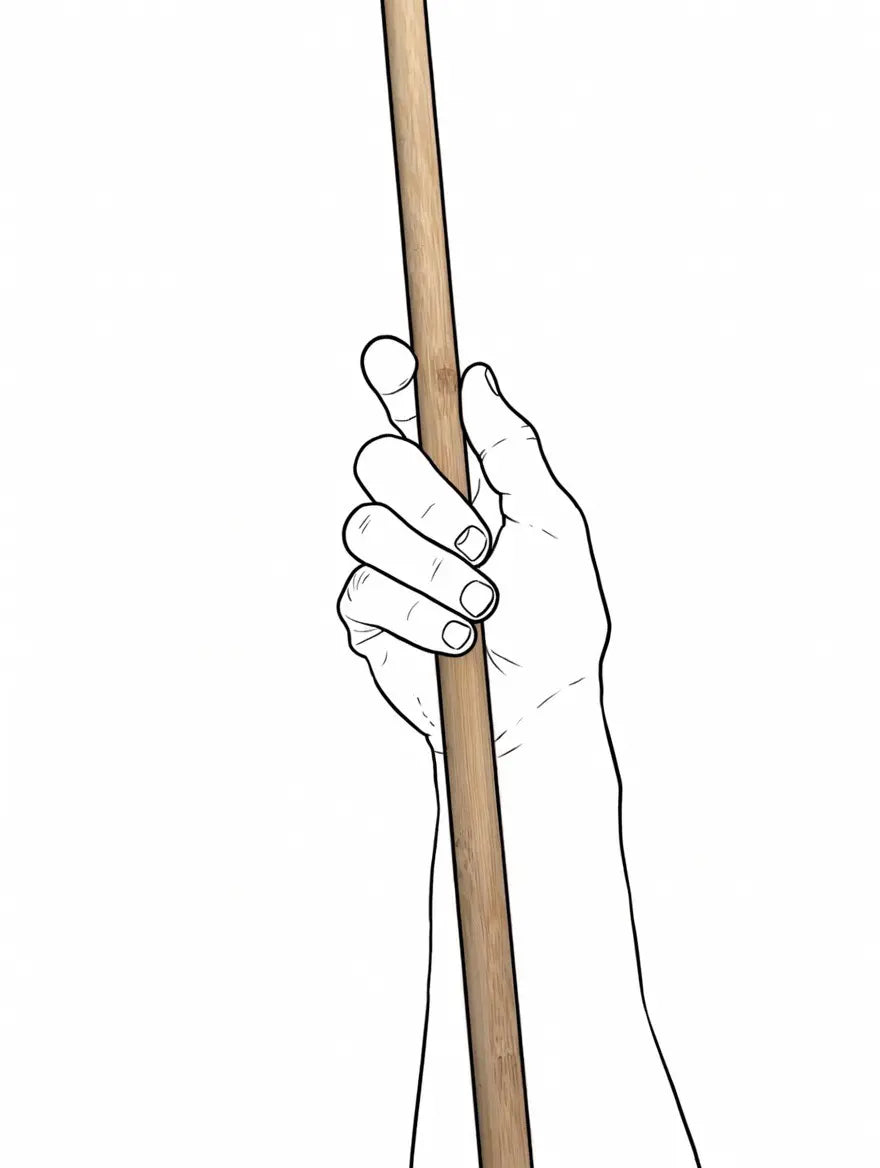
Find your lacrosse line. There's a natural line on your palm that runs from the middle of your heel towards the bottom knuckle of your pointer finger. This is your "lacrosse line." When you grip the stick, it should ride along this line. This positioning gives you the most control and the cleanest release.
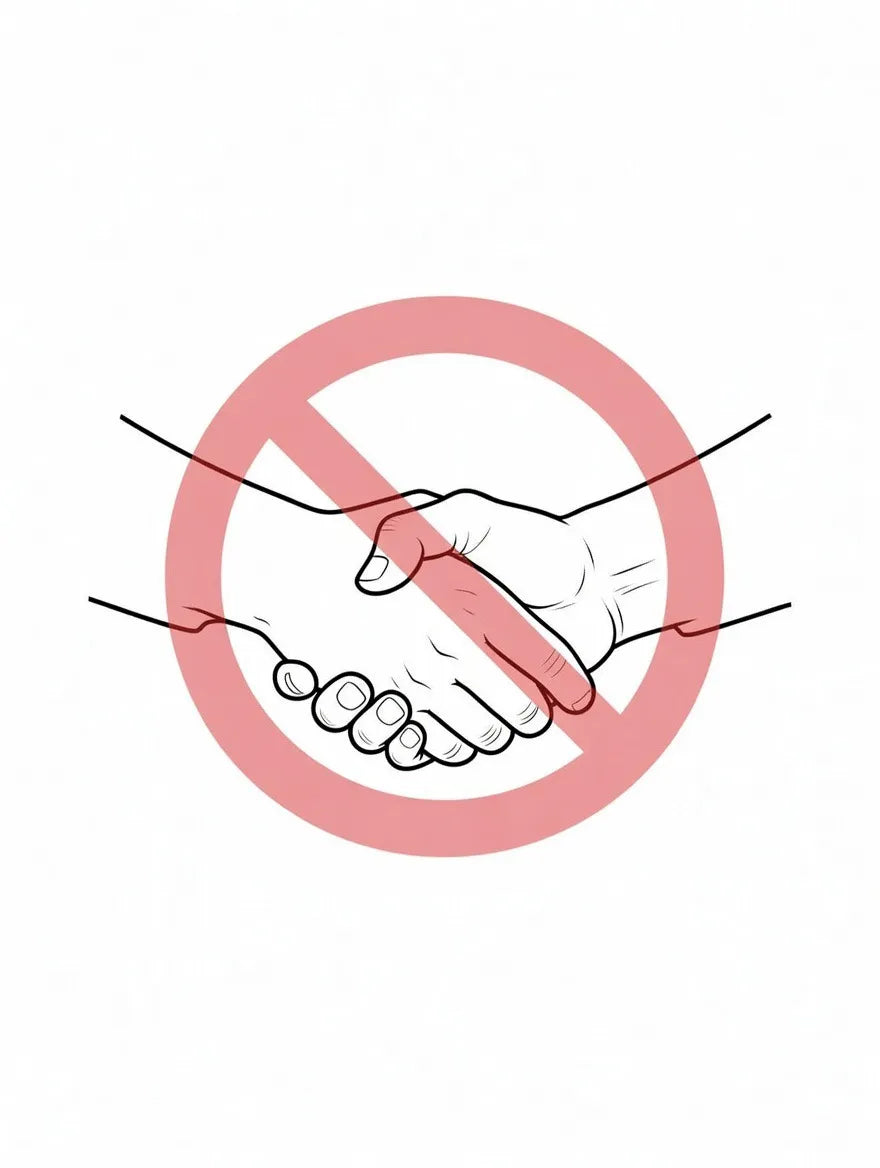
3. No Handshakes
The handshake grip is one of the most common mistakes in lacrosse. It's when you grip the stick like you're shaking hands with it — palm facing sideways, wrist in a neutral position. This feels natural at first, but it kills your throw.
The handshake grip creates side-to-side wrist motion. When your wrist can flop around sideways, your throws become inconsistent. Sometimes the ball goes left. Sometimes it goes right. Sometimes it wobbles in the air. You can't develop accuracy when your wrist isn't locked in.
The proper grip reduces side-to-side motion. When you ride the line and let the stick settle into the valley of your palm, your wrist is locked in the right position. It can only snap forward — towards your target. This eliminates the wobble and gives you consistent, accurate throws.
Picture your hand snapping towards the target. When you throw, your hand should snap forward in the direction of your target. The head of the stick will follow. If you're using a handshake grip, that snap goes everywhere except where you want it to go. With the proper grip, every snap sends the ball exactly where you're aiming.
Putting It All Together
Here's the sequence:
- Find location — elbow reference, forearm's length up the stick
- Ride the line — stick passes over heel, settles in valley, pointer finger as trigger
- No handshakes — wrist locked, snap forward towards target
Practice this grip every time you pick up the stick. Start slow. Focus on getting the fundamentals right before you add power. Once the grip becomes muscle memory, you'll notice your throws becoming more consistent, more accurate, and more powerful — without even trying.
Want to practice your grip with balls that won't break anything? Grab a Skill Stick and start training at peopleslacrosse.com