Indoor Lacrosse Practice: Space, Equipment & Instruction
Consider space, equipment, and coaching before practicing indoors. Lightweight balls can still cause injury or property damage.
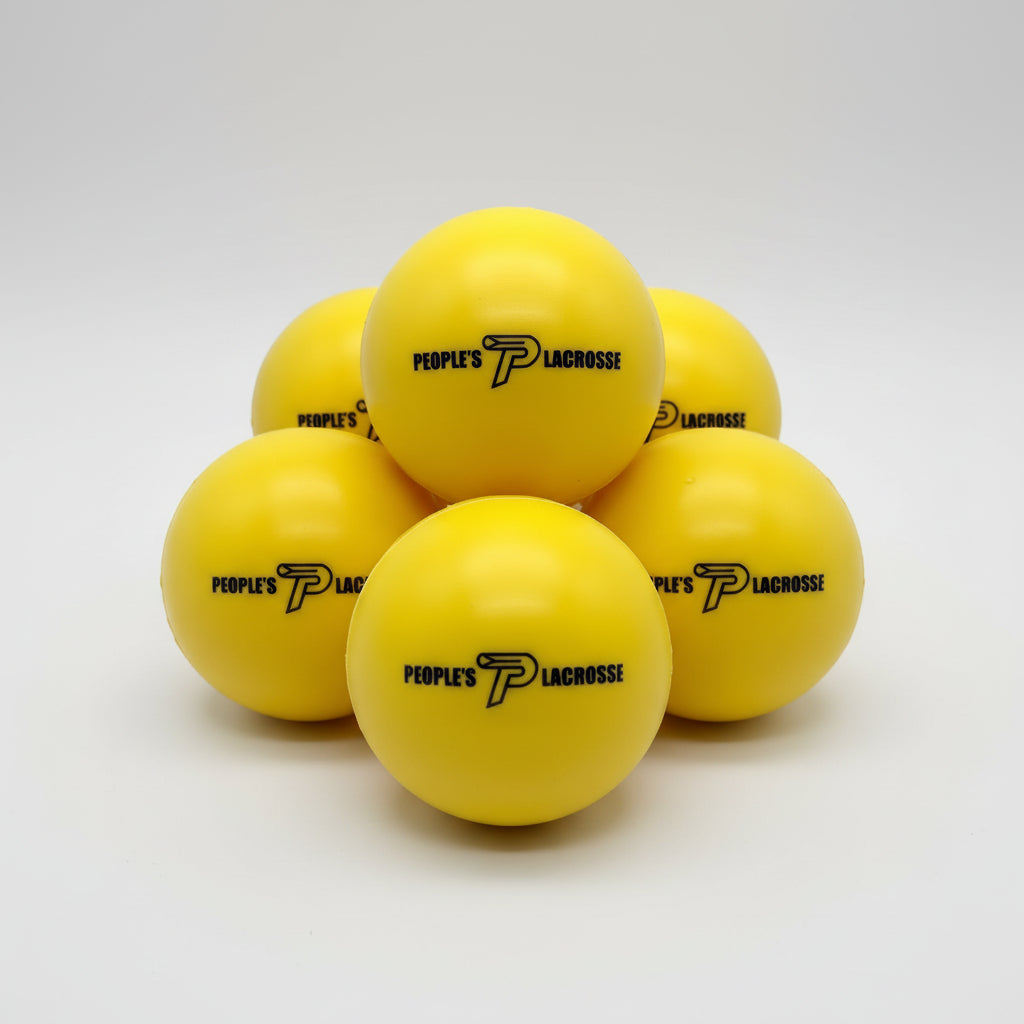
Bad weather does not make every room a practice space. Start by deciding whether the activity can be done with enough clearance for the stick, the player, and missed throws.
Assess the space first
Keep people, pets, windows, and breakable objects out of the activity area. Use an appropriate target and backstop. A couch, blanket, garage door, or house wall is not automatically suitable. If there is not enough space, choose a different activity or location rather than trying to force shooting practice into a room.
Lightweight does not mean harmless
Foam, tennis, and wiffle balls can still cause injury or property damage. Follow the equipment manufacturer's instructions and supervise young players. The Skill Stick is intended for lightweight balls, not regulation-ball games; current compatibility information belongs in the store.
Use established instruction
USA Lacrosse's grades 9–12 physical-education lesson plans introduce grip, cradling, throwing, catching, and ground balls progressively. Review the full lessons with a qualified coach or teacher and adapt the activity to the player and setting. The curriculum is not an endorsement of shooting inside a home.
The grip article is a starting point for that conversation. Avoid treating a fixed number of repetitions, a cramped room, or a softer ball as a guarantee of better technique.
References
Explore indoor practice resources in the Guides. For current equipment and compatibility, visit the store.