5 Lacrosse Fundamentals for Backyard Practice
Explore five fundamentals from USA Lacrosse's lesson plans, with coaching references and considerations for choosing an appropriate practice space.
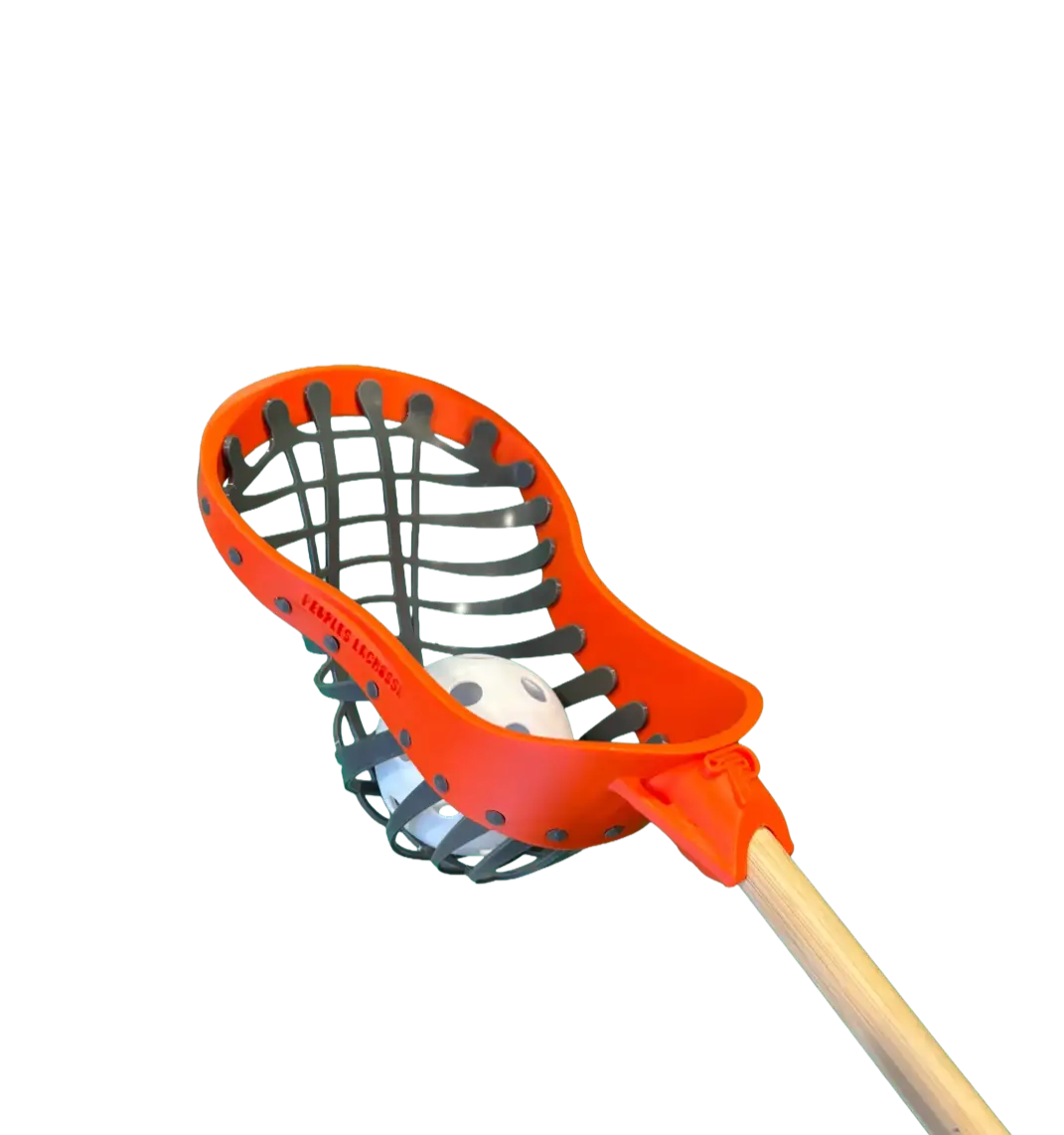
Start with instruction, not a fixed workout copied onto every backyard. USA Lacrosse's physical-education curriculum gives a useful sequence of fundamentals. The five areas below point you to those lessons; they are not a new drill program or a promise of results.
1. Grip
Lesson 1 introduces hand placement and keeping a relaxed hold. Review the instructions with a coach before adding speed. Our grip article explains how to use its illustrations as discussion aids.
2. Cradling
Lesson 2 introduces cradling with a relaxed grip and top-hand control. Follow the full lesson's demonstrations and practice progression rather than forcing a single wrist position.
3. Throwing
Lesson 3 introduces throwing. Use its coaching cues with equipment appropriate to the player and activity. A coach can help select a distance and pace that fit the available space.
4. Catching
Lesson 3 also covers catching. Work through the lesson with a coach or teacher who can observe the player, rather than assuming that a particular ball automatically develops a particular skill.
5. Ground balls
Lesson 4 introduces ground balls. Use the source's instructions and an appropriate surface with room for movement. Do not use rocks or other hazardous objects as improvised obstacles.
Choose the space before the activity
Lightweight balls can still injure someone or damage property. Use an appropriate target and backstop, account for missed throws, keep people and breakable objects clear, and supervise young players. A house wall, garage door, or tree is not automatically a suitable target.
References
- USA Lacrosse: grades 9–12 physical-education lesson plans, Lessons 1–4
- USA Lacrosse: equipment guidance
Explore the Guides for more practice resources. Current products and compatibility information belong in the store.